


About Technology
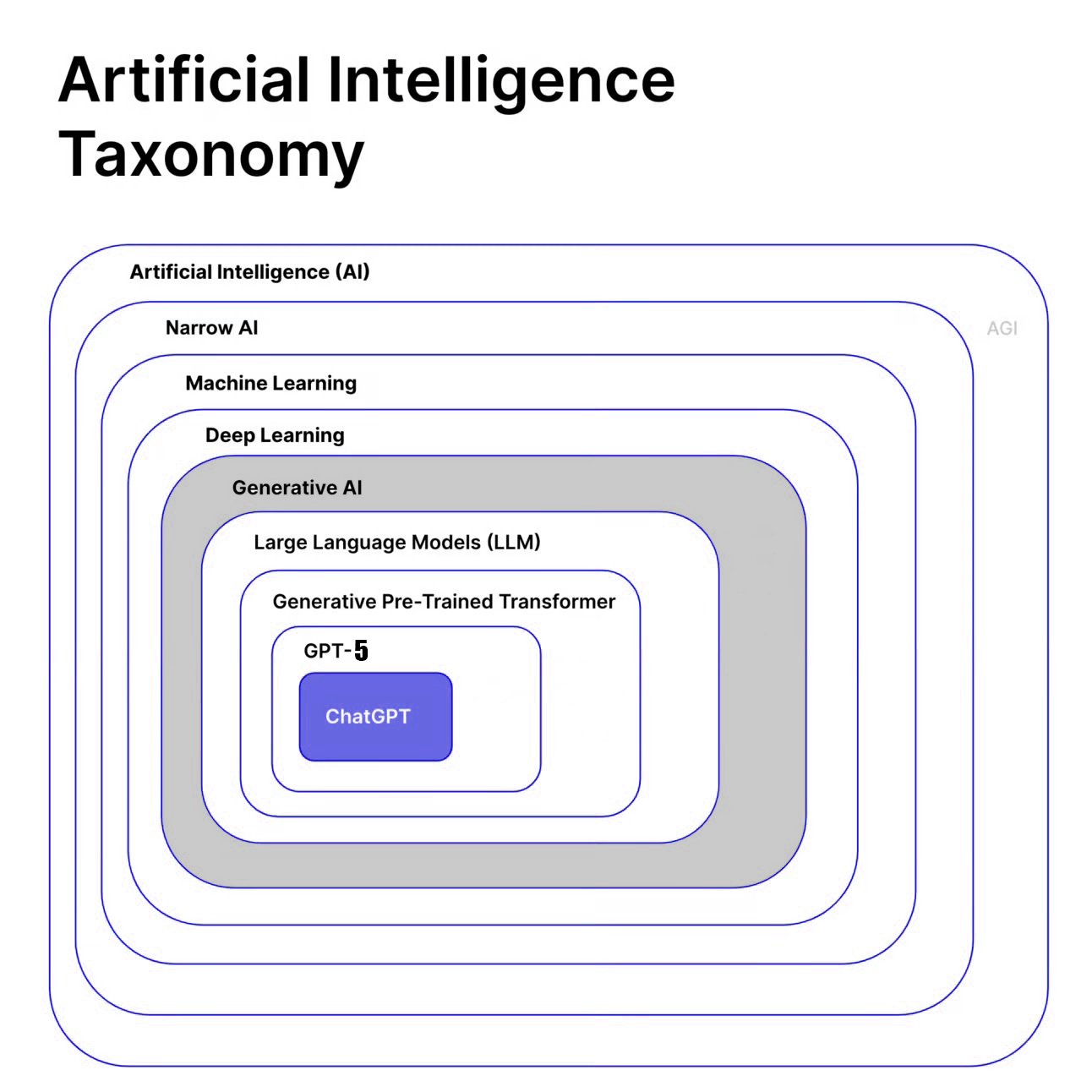
G Generative AI powers applications that can create audio-visual content, answer complex questions, and assist with tasks such as research, analysis, and coding. In this module, you’ll explore the fundamentals of generative AI, including large language models (LLMs), prompting techniques, and the role of AI agents in automating multi-step workflows. You’ll discover how these systems interpret context, generate high-quality outputs, and adapt to user intent. Practical use cases include generating marketing content, analysing customer data, building virtual assistants, prototyping digital products, enhancing XR environments, and accelerating innovation in education, healthcare, and creative industries. By the end, you’ll understand not only how generative AI works, but also how to apply it effectively to solve real-world problems and support strategic decision-making across different domains.
How I Use Generative AI
Generative AI plays a significant role in both my academic research and my product development workflow. In my PhD project, I use the Convai platform to create natural, sample conversations with an AI tutor inside XR environments. This allows me to prototype adaptive learning scenarios and simulate how a virtual assistant responds to students in real time.
I also apply generative AI in my startup projects, most notably MirroGen, an interactive virtual try-on display system. Here I generate high-quality images and videos, combining fashion assets, body segmentation, and real-time visual outputs to create engaging retail experiences.
For coding and system design, I regularly use models such as DeepSeek and Opus Sonnet 4.5 to speed up development, debug complex logic, and explore alternative solutions. However, I always ensure that I remain in control — AI assists my workflow, but the decision-making, architecture, and final implementation are driven by me.
Generative AI, for me, is not a replacement for human creativity or engineering judgement; it is a powerful tool that enhances my research, strengthens my prototypes, and accelerates innovation across both academic and commercial projects.