
My entrepreneurial journey
An entrepreneurial journey is a cycle of learning, growth, and risk-taking, from the initial idea to building and developing a business. Key aspects include developing your skills, finding your niche, solving a real problem, building a strong team, seeking funding, and staying adaptable to challenges and market changes.
This may be one of the best definitions, but every journey is different — so let me show you mine, in a nutshell.
Harmony Lightbox – 2015
- Eyezha – 2017
Multisense – 2020
Kryptoda Education – 2021
- Web3Budapest – 2022
NFTAG Smart merchandise -2022
Etlapozz – 2023
NFTAG phygital fashion ltd – 2024
Mirrogen – 2025

2015
Harmony Lightbox
Multisensory Meditation Display

2017
Eyezha
Multisensory Meditation Platform with Neurofeedback

2020
Multisense
Multisensory Mindfulness Package

2021
Kryptoda Education
An educational platform/ YouTube channel for Web 3.0 technologies

2022
Web3Budapest
Web 3.0 Conferences for Hungarian audiences

2022
NFTAG Smart merchandise
NFC -embedded smart T-shirts with NFT and AR features

2023
Etlapozz
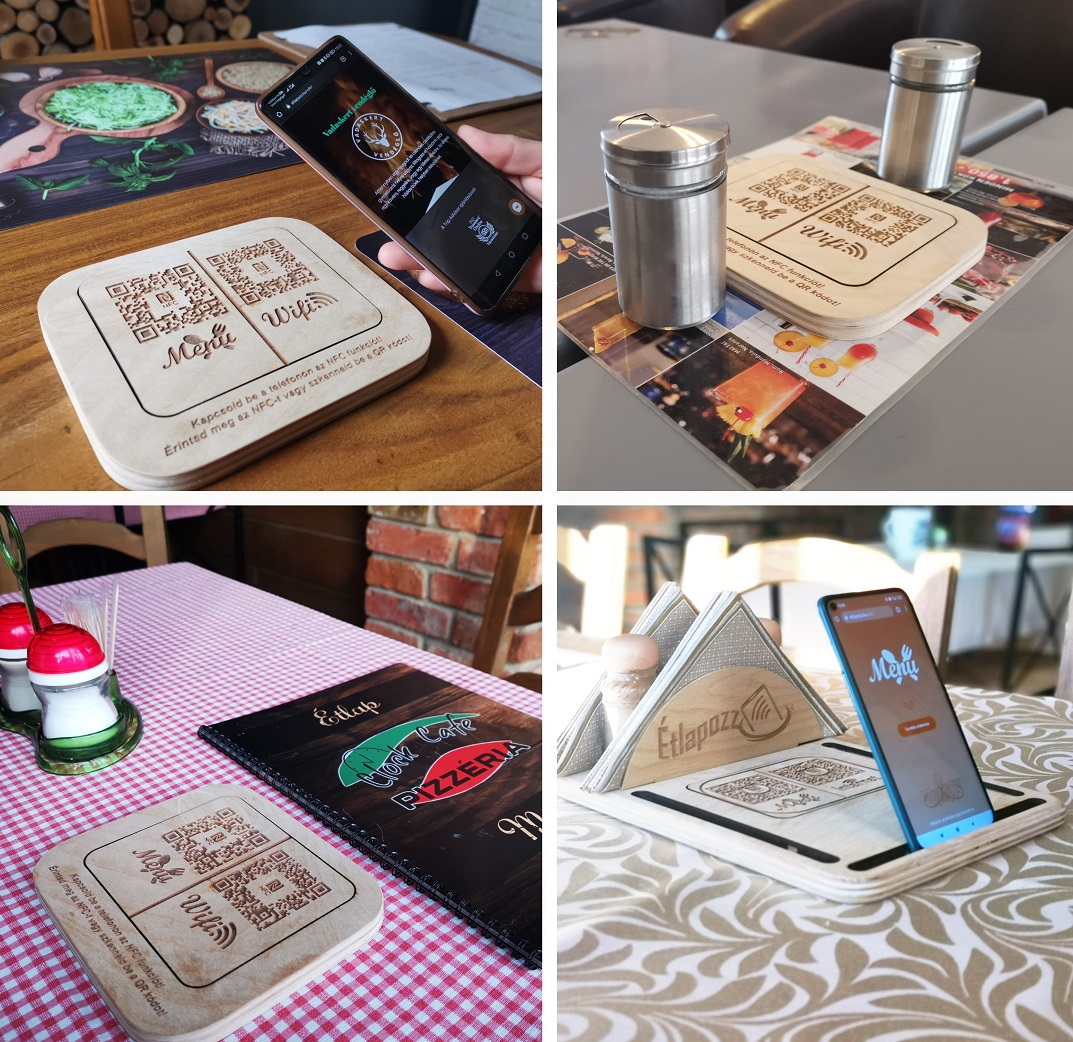
Smart Menu System on Engraved Wood plates

2024
NFTAG phygital fashion ltd
A Digital Marketing team developing genAI and 3D mannequins for Fashion Brands.

2025
MirroGen
Virtual Try -On Display and Fashion stylist.
my first projects
An entrepreneurial journey is a cycle of learning, growth, and risk-taking, from the initial idea to building and growing a business. Key aspects include developing your skills, finding your niche, solving a real problem, building a strong team, seeking funding, and staying adaptable to challenges and market changes. This can be one of the best derfintion but every jonury is diffrenct lets show you mine. In a nutshell.
To fall in love with the startup life and to change my entire mindset towards becoming an entrepreneur began around 2013, when a university project showed potential to be brought to market. Some of the projects were successful, while others remained at the MVP stage, but all of them validated the market potential. What I’ve learnt is that being in the right place at the right time, with the right team, is the key to success.
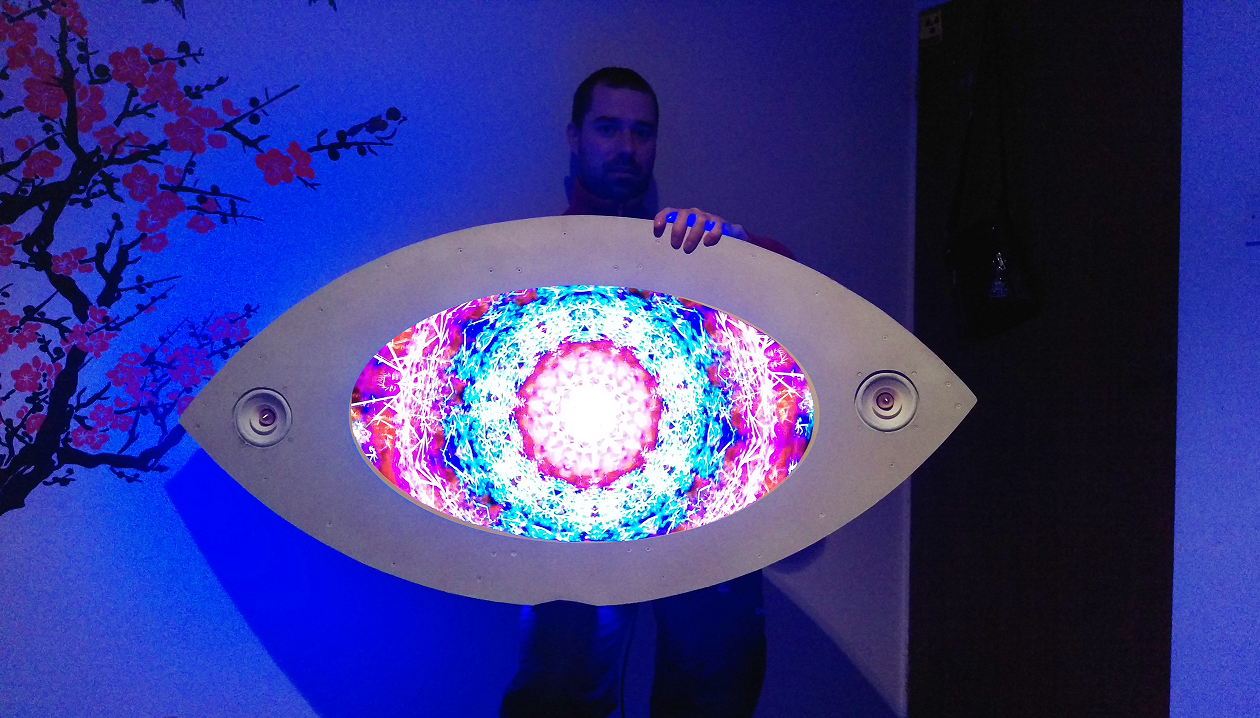
My first project, called Harmony Lightbox, was a futuristic TV display designed for multisensory meditation. Together with my team, I designed the product. The shape, known as the vesica piscis, is a geometric form created by the intersection of two circles of the same radius, where the centre of each circle lies on the circumference of the other. This product design, combined with a custom-developed ambient backlight, created a unique essence that mesmerised users during mindfulness meditation. The device also had a built-in aroma diffuser that automatically changed the scent based on the video content.
As we know, a startup must adapt to new technologies and change its initial concept if it is not viable. Therefore, the Harmony Lightbox concept transformed into two other sub-projects: one was Multisense, which we continued developing for the market, and the other was a university project called EYEZHA.
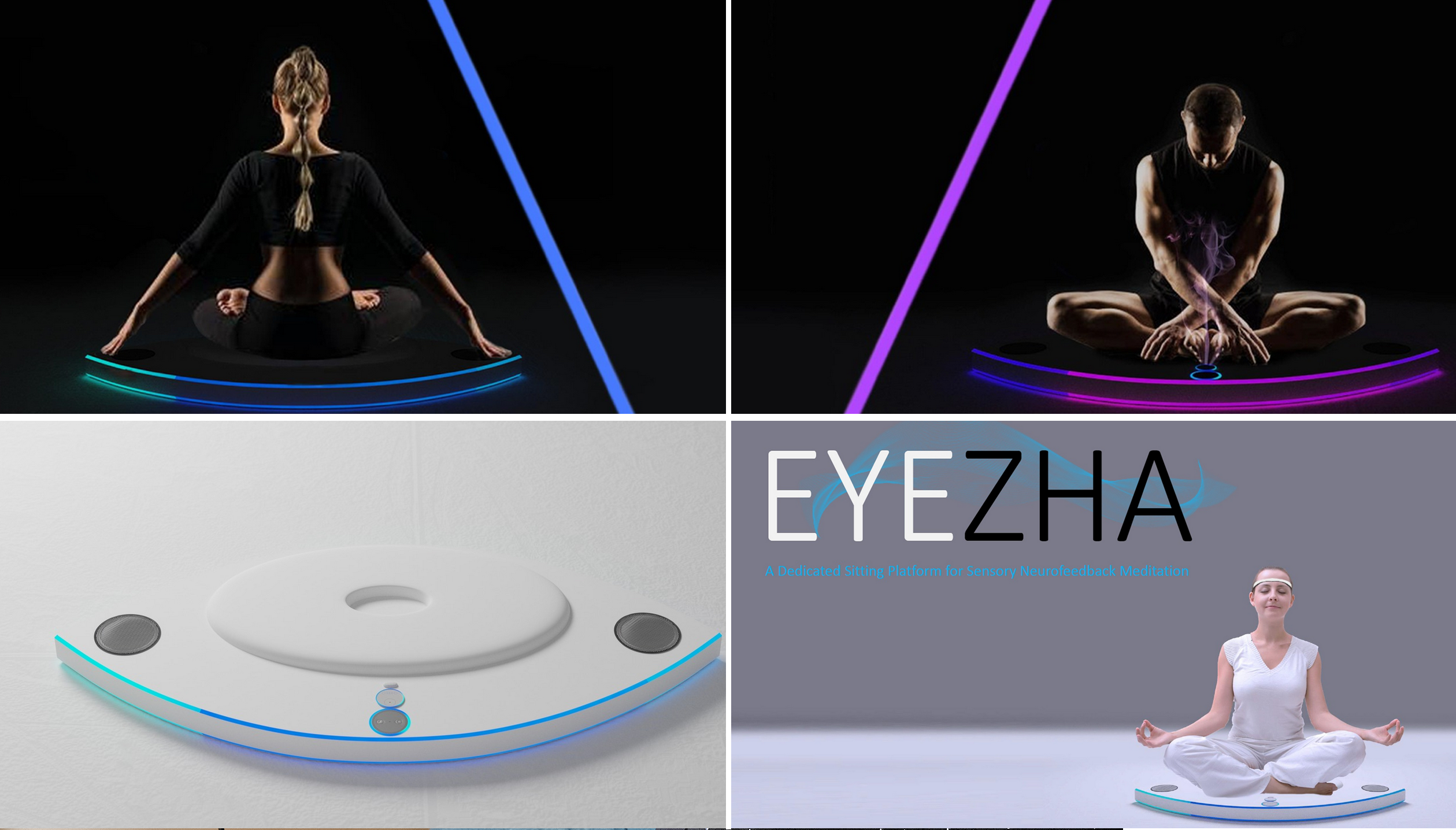
In EYEZHA, the eye-shaped design and the multisensory concept were preserved, but we removed the expensive display and turned it into a dedicated seating platform. Many academics at the time said the design itself was nearly perfect for multisensory meditation.
This is a concept I will definitely continue if I have the right team around me in the future.
Around 2017, we joined a Hungarian-initiated incubator programme here in London. Startups Campus was a great opportunity to learn the basics of startup development.
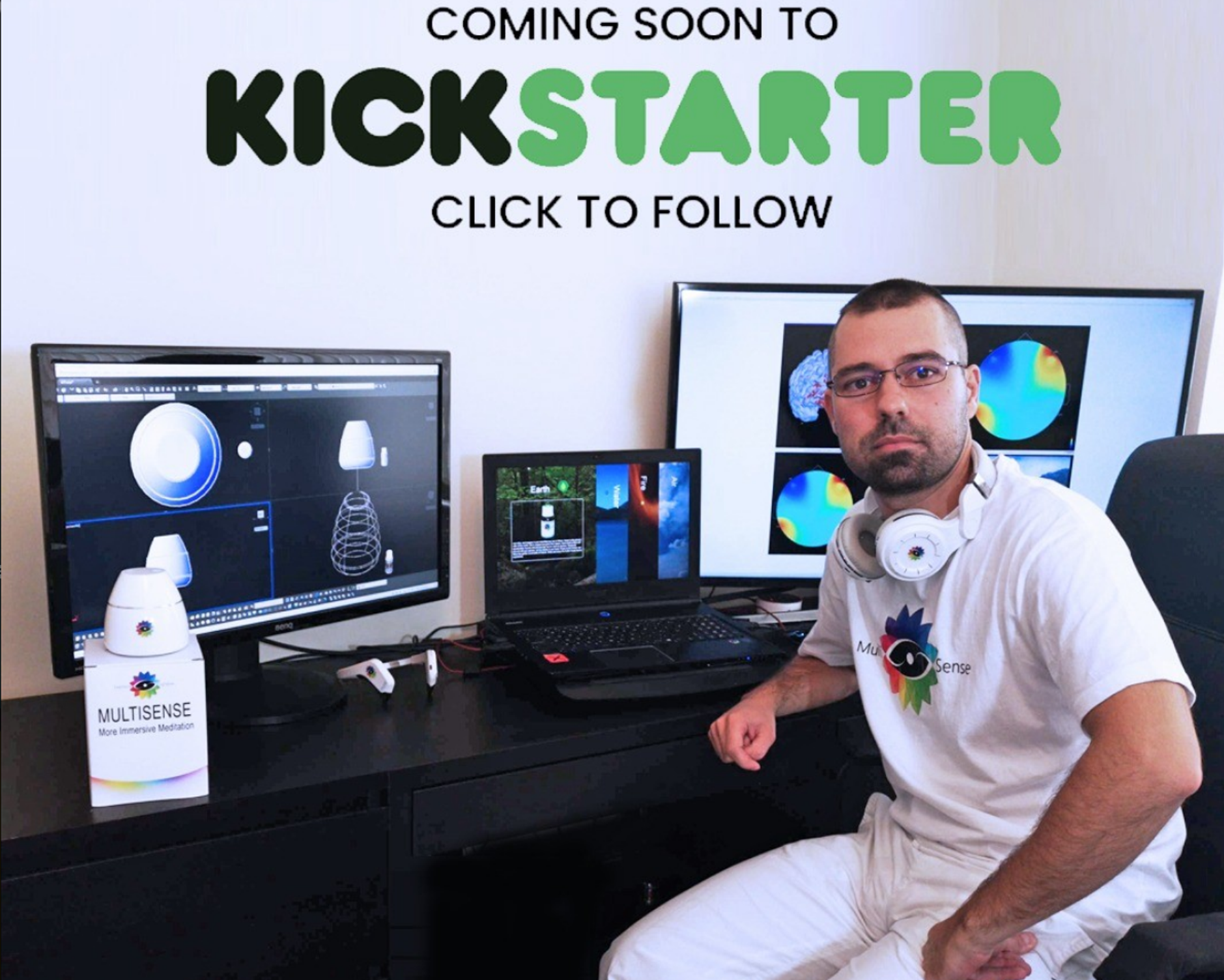
Shortly after the programme, we realised that our concept was too ambitious, and developing hardware was more complex than we had anticipated. So, we scaled down to a mobile software solution with a smart aroma diffuser designed for multisensory meditation. Of course, a product is nothing without a good marketing plan, so our Kickstarter campaign failed. However, as a result of the campaign, we managed to sell some packages through our webshop.
Pandemic
Here we experienced a setback because of COVID, which closed the opportunity to visit exhibitions and advertise our multisensory package. Gradually, over this time, my team disappeared one by one.
What did I learn? It was a valuable opportunity to learn how to build an entire campaign for a startup on Kickstarter and Indiegogo—knowledge I can now apply to my current startups.
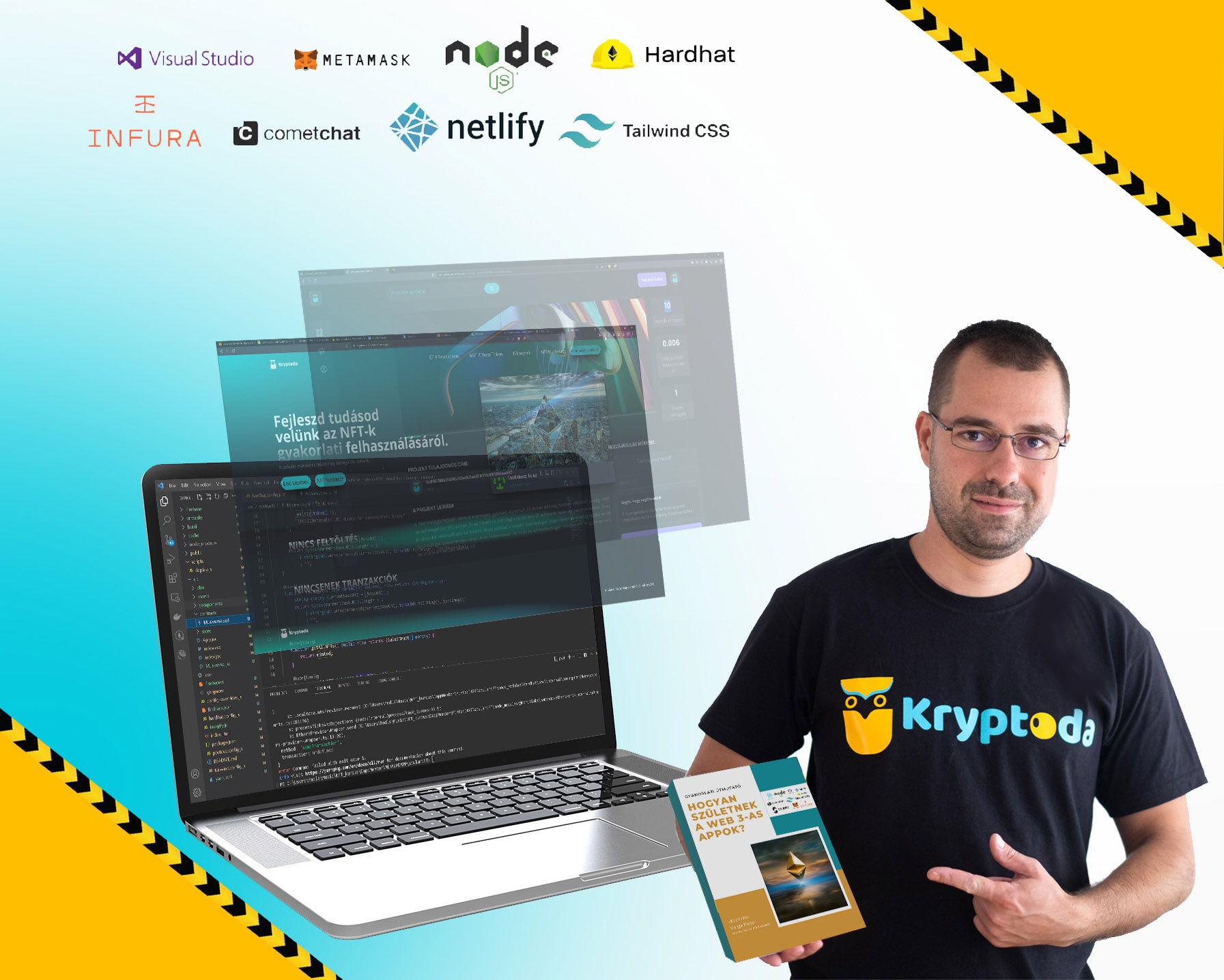
In 2020, we started a new project with some of my friends in the blockchain and cryptocurrency sector. We built a large educational YouTube channel. The project, called Kryptoda Tanoda, helped people avoid scammers in the crypto space.
At the same time, I started a smart merchandise project focused on NFC-embedded T-shirts. It was one of my simplest but most successful startups, as we sold a few hundred T-shirts in Hungary.
By 2021, I continued experimenting with NFC technology and discovered more potential use cases.
At that time, because of COVID, we developed a contactless menu system with a custom-engraved wooden platform that functioned as a Wi-Fi access point, digital menu, phone and napkin holder, and more. Here, we successfully secured a few contracts with local restaurants to test the entire system. The Etlapozz startup is still active, and our clients are satisfied with our service.
Westmont Enterprise Hub
So, I mentioned I was busy with NFC technology and blockchain educational content creation. At this point, I had a new idea for the company I registered in the UK. NFTAG was originally a combination of an NFT (non-fungible token) embedded into an NFC card, designed to function as a Web 3.0 membership card for Kryptoda Tanoda.
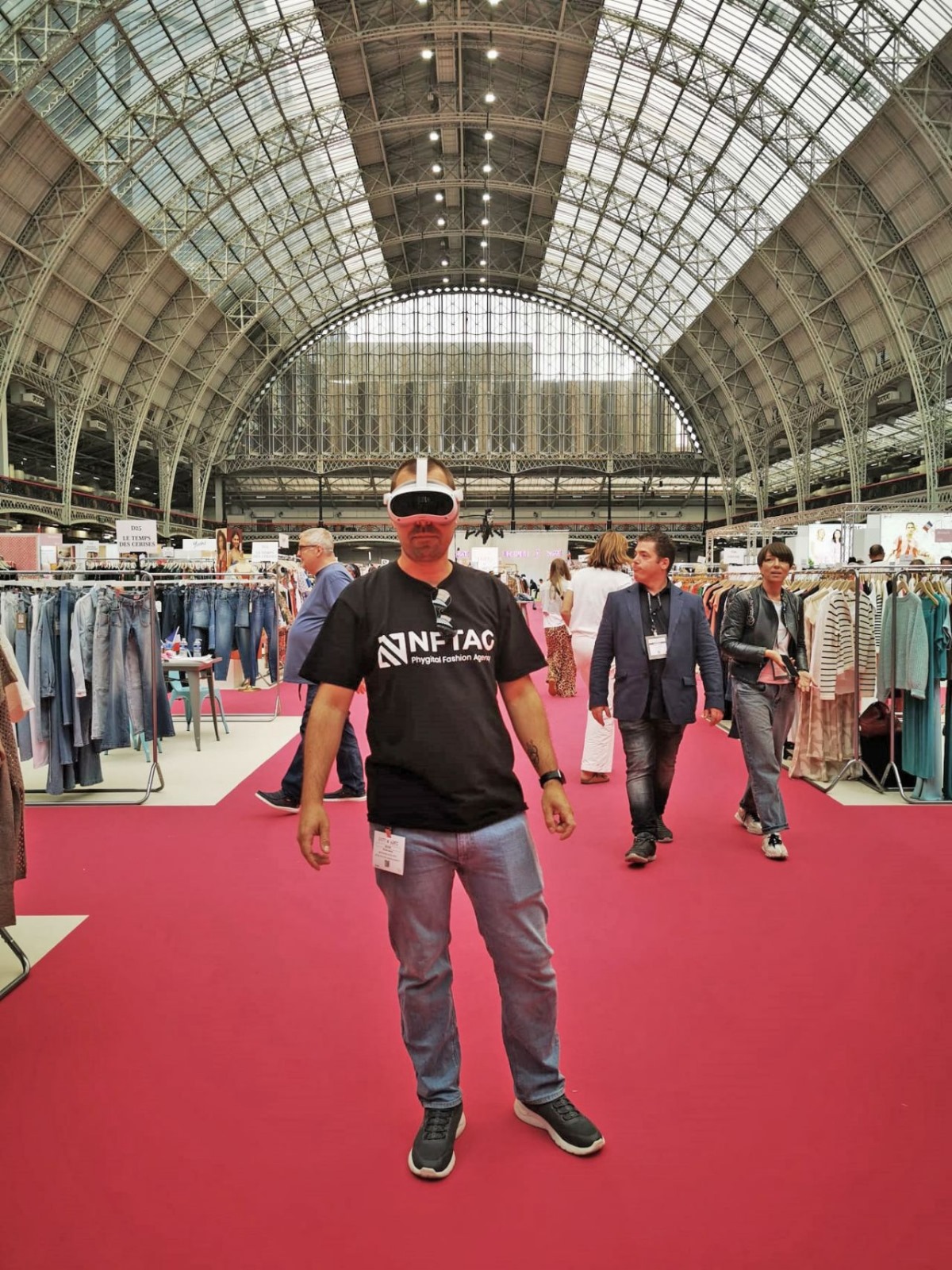
NFTAG is now more than its name suggests. We started with a group of digital fashion designers to build a digital fashion agency, helping fashion brands with their online marketing.
NFTAG is now our umbrella company for our latest project, Mirrogen, which runs at Westmont Enterprise Hub. The project uses the latest generative AI and 3D pipelines to provide a new virtual try-on experience for in-store shoppers.
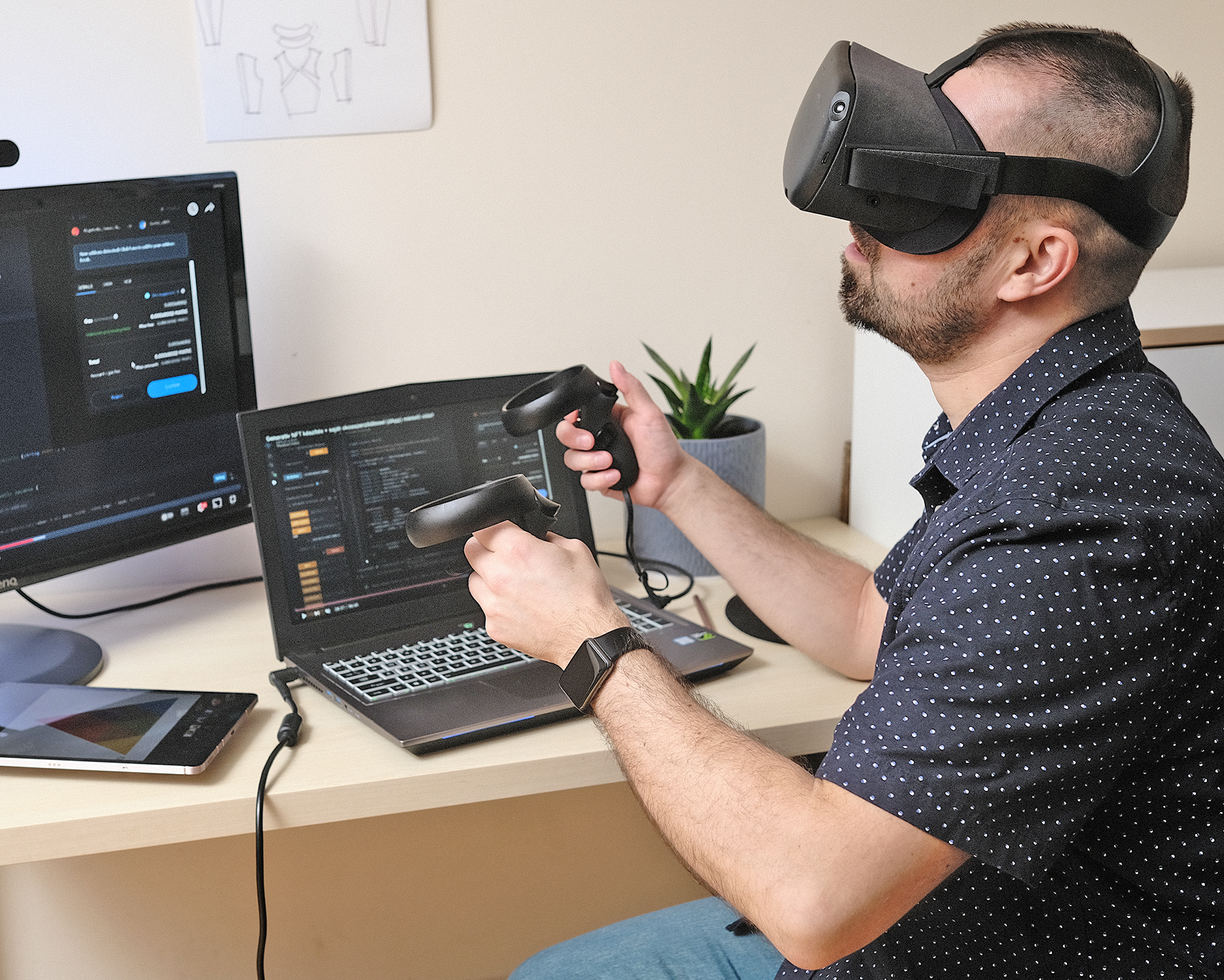
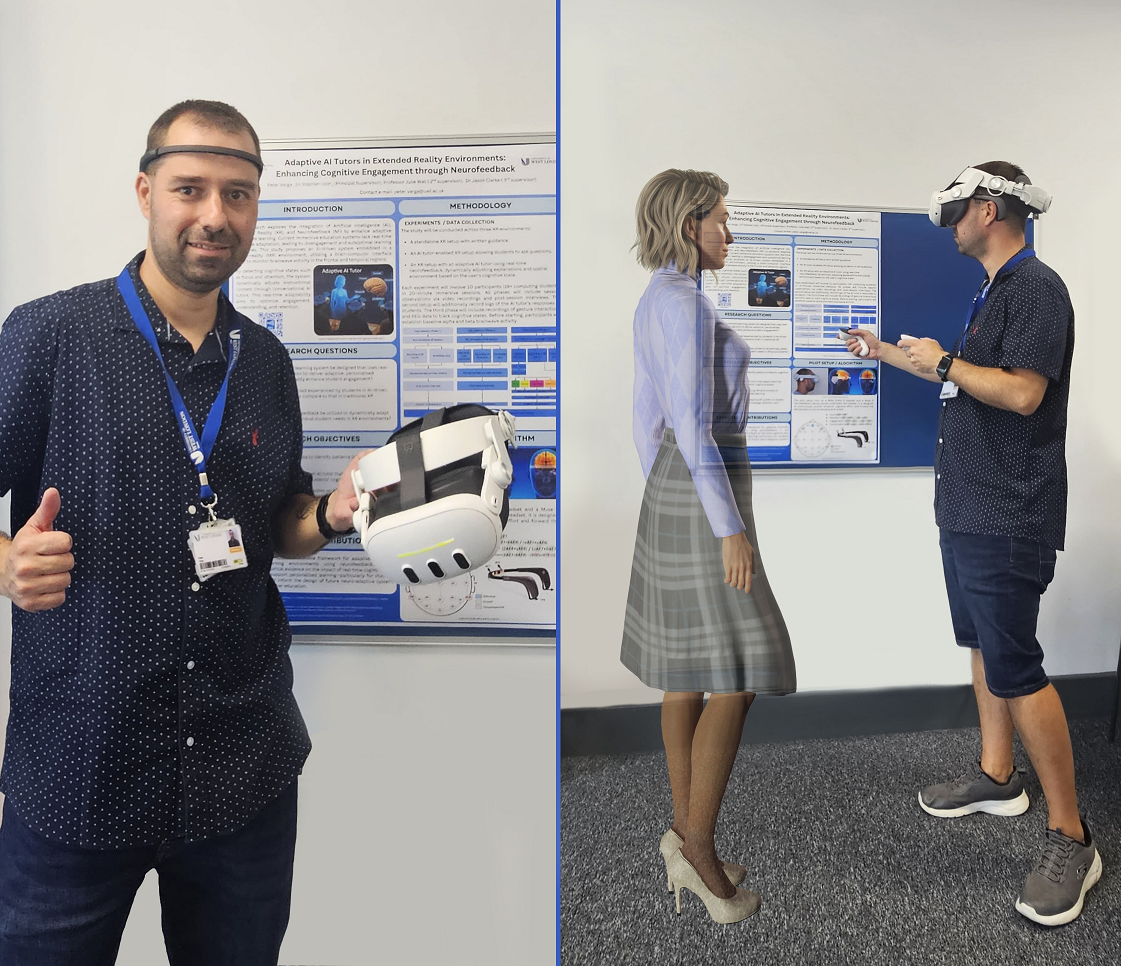
In 2025, my journey has just begun as a doctoral researcher, allowing me to turn the startups I love into academic research — utilising XR technologies, generative AI, and of course neurofeedback, all of which stem from the Multisense project. Hopefully, I am in the right place at the right time, with the right people around me, to build my next startup… to be continued.